
Esketamine Therapy
-
Esketamine (Spravato) is a rapid-acting, prescription nasal spray used to treat adults with treatment-resistant depression (TRD). It is a derivative of ketamine and represents the first major innovation in antidepressant pharmacology in over 60 years.
There is strong clinical evidence for its efficacy in patients who have not responded to at least two different antidepressant medications. Unlike traditional antidepressants that target monoamines like serotonin or norepinephrine, esketamine works on the glutamate system, offering a unique pathway to relief.
Esketamine does not cause the systemic side effects often associated with oral medications, such as weight gain or sexual dysfunction. Because it is administered intranasally, it bypasses the digestive system and is absorbed directly into the bloodstream for a faster onset of action.
-
An esketamine treatment course begins with an induction phase consisting of twice-weekly treatments for a 4-week period. During this phase, the psychiatrist will start you on a new oral antidepressant.
If the patient responds well, they transition to a maintenance phase, where dosing frequency is typically reduced to once weekly or once every two weeks.
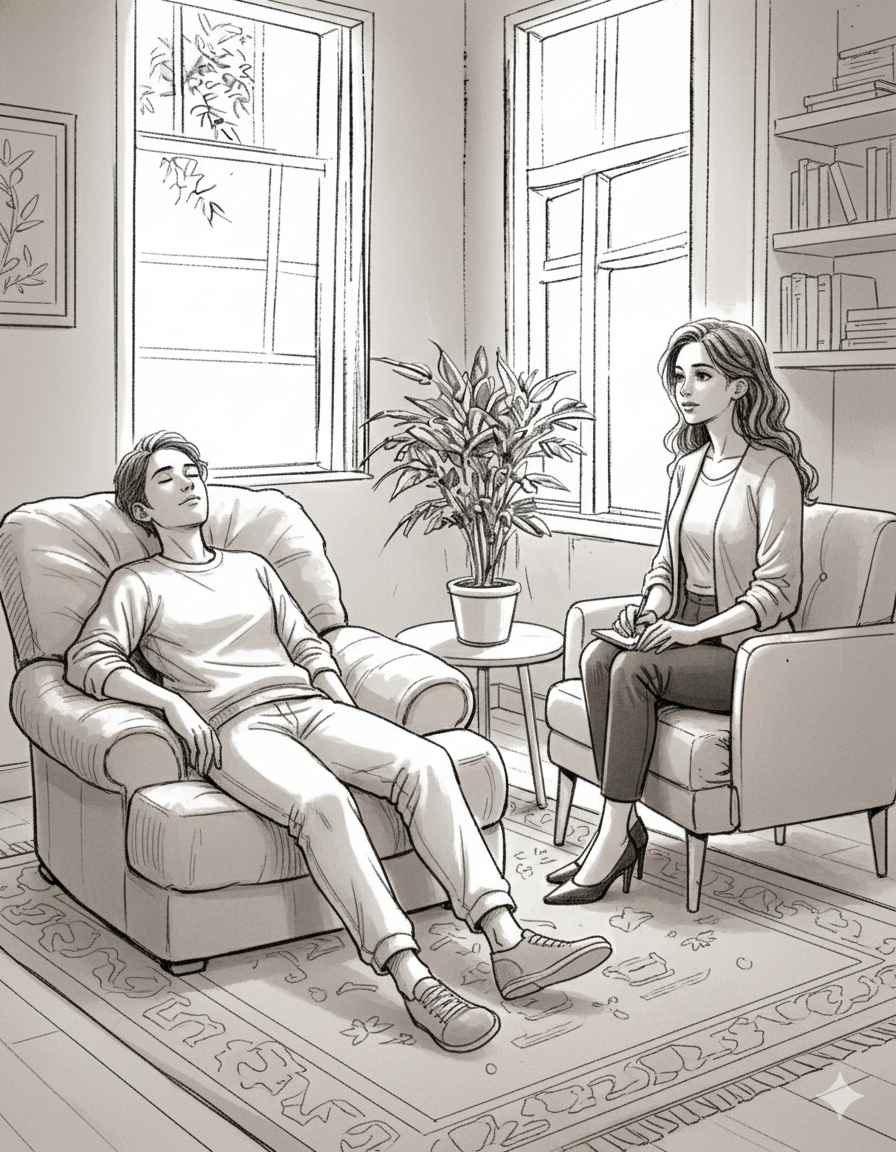
The treatment is self-administered by the patient under the direct supervision of a healthcare professional in a certified clinical setting. Each session involves:
Administration: The patient uses a nasal spray device to deliver the medication, usually in two or three doses spaced 5 minutes apart.
Observation: Due to potential side effects like sedation and dissociation, patients must remain in the clinic for a mandatory 2-hour monitoring period.
Preparation: Patients should not eat for at least 2 hours before treatment and should avoid drinking liquids for 30 minutes prior to administration.
Post-Treatment: Patients cannot drive or operate heavy machinery until the following day after a restful sleep; therefore, a pre-arranged ride home is required.
-
Esketamine is an NMDA (N-methyl-D-aspartate) receptor antagonist. By blocking these receptors, it triggers a transient increase in the release of glutamate, the brain's most abundant excitatory neurotransmitter.
This surge in glutamate activity stimulates the growth of new neural connections, a process known as synaptogenesis. In patients with depression, certain neural circuits in the prefrontal cortex can become "disconnected" or damaged by chronic stress. Esketamine helps to "re-wire" and restore these circuits, enhancing the brain's neuroplasticity and its ability to regulate mood and emotions more effectively.
-
One of the primary benefits of esketamine is its rapid onset. While traditional antidepressants can take 4 to 8 weeks to show results, many patients experience a reduction in depressive symptoms within 24 to 72 hours of their first few sessions. For most individuals, the full therapeutic benefit develops over the course of the initial 4-week induction phase.
-
Esketamine is generally well-tolerated, but because it affects the central nervous system, it has a specific side-effect profile. Most side effects occur shortly after administration and typically resolve within the same day.
These include:
Dissociation: Feeling "spaced out" or disconnected from one’s body or environment (75% of people)
Dizziness and Vertigo: A spinning sensation or lightheadedness
Nausea: Occurs in some patients, though this often diminishes with subsequent doses
Increased Blood Pressure: A temporary rise that typically peaks 40 minutes post-dose
Sedation: Feeling very sleepy or lethargic during the observation period
Because of the risks of sedation and dissociation, Esketamine is only available through a restricted program called REMS (Risk Evaluation and Mitigation Strategy) to ensure patient safety.
Eligibility and cost
-
Esketamine might be suitable for you if:
Are aged 18 years or older,
Have a depressive disorder diagnosis
Have trialled 2 different anti-depressant medications
-
Esketamine is not generally recommended if you:
are under 18 years of age
are pregnant or breastfeeding
have uncontrolled hypertension (high blood bressure)
would be placed at risk by increases in blood pressure or intracranial pressure, including those with a history of aneurysm.
-
The cost of esketamine treatment will depend on a number of factors:
PBS Subsidy:
As of May 1, 2025, esketamine is listed on the Pharmaceutical Benefits Scheme (PBS), making it subsidized for eligible patients. The cost for pension or concession card holders is approximately $7.70 per dose, while other patients may pay around $31.60.
Medicare
While esketamine the medication is covered by the PBS, it must be administered in an approved treatment facility and you must be supervised by a trained nurse for a minimum of 2 hours post administration.
Please contact us to discuss fees and rebates available.
DVA and WorkCover
Both the Department of Veterans Affairs (DVA) and WorkCover fund esketamine treatment for eligible members with no out-of-pocket costs.
Private Health Insurance
Some Private Health Insurers cover outpatient esketamine on a case-by-case basis. Contact your insurer to find out if you are covered.
-
Your GP or psychiatrist can refer you for esketamine.
You’ll then have an initial appointment with our psychiatrists to ensure it’s the right treatment option for you.
How well does it work?
After the induction phase of treatment, approximately 39% of people with treatment resistant depression achieve full remission and 53% of people achieve a noticeable reduction in symptoms.
61%
39%
Percentage of people who are below the cutoff for depression after beginning Esketamine
47%
53%
Percentage of people who achieve a 50% or greater reduction in depressive symptoms after beginning Esketamine